

Pearl raid places a pearl hunt inside a calm sea frame with measured visual pressure. Its appeal comes from target focus, shell cues, reflective water, plus layered color control. This article is written for careful JL4 players, to help them understand pearl hunt structure, aiming to support steadier reading before play.
Visual value of pearl raid
A pearl hunt gains meaning when the sea setting supports every visible action with quiet pressure. A strong pearl raid scene should make the pearl feel valuable before motion becomes intense. Clear spacing, soft shine, plus controlled movement help the theme stay readable without turning the screen into visual noise.
The image value also depends on how each marine object supports the main prize. Shells, water depth, bubble trails, plus small light shifts can make the hunt feel layered. When these parts remain balanced, the scene keeps attention on pearl pursuit rather than random decoration or forced excitement.

Recognition factors in pearl raid
Visual recognition starts when the sea scene gives enough order for steady reading. Each design cue should support attention without revealing too much too early.
Pearls create the main visual point in pearl raid
Pearls work best when their shape stands apart from the wider sea background. A rounded form with clean shine gives the eye a stable target during motion. This clarity helps the hunt feel direct because the prize stays visible even when shells, bubbles, or moving water fill nearby space.
A pearl also carries natural value through its surface texture. Smooth highlights, soft edges, plus a pale center can make the object feel rare without loud effects. That restrained look fits a hunt theme because it suggests value through detail rather than oversized animation or constant flashing.
Position matters as much as the object itself. A pearl placed near the center can guide early attention, while a pearl near the edge can create delayed tension. This layout keeps the scene active because the eye must judge distance, motion path, plus timing before the target feels safe.
Shells clarify the sea setting
Shells help explain where the hunt takes place because they connect the prize to a marine source. Their curved shapes create a natural frame around the pearl without stealing full attention. In a clean pearl raid layout, shells should support location, depth, plus target value through calm visual structure.
A closed shell can suggest hidden value while an open shell makes the prize easier to read. This contrast gives the scene a quiet rhythm because every shell position changes expectation. When the design uses both forms carefully, the hunt feels more grounded than a flat field with repeated objects.
View more: Deep Raid – Precise Pressure For Layered Hunt Rounds
Shell texture also matters because rough surfaces can balance the pearl’s smooth shine. Lines, ridges, plus muted color help the shell feel physical inside the water. That detail gives the background more weight while allowing the pearl to remain the strongest point of attention.
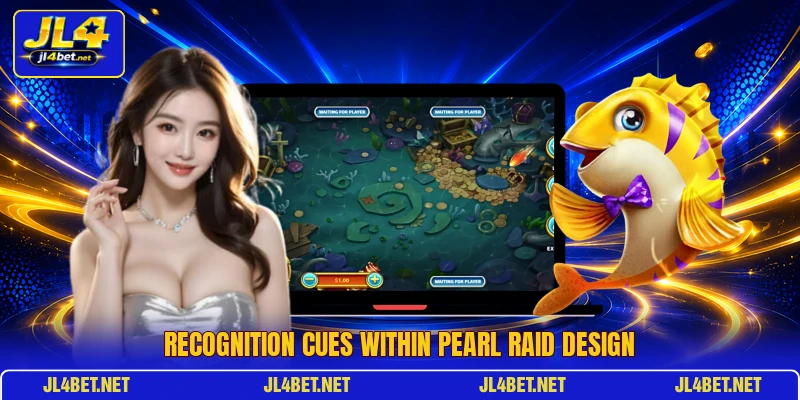
Reflected light on the water surface
Reflected light gives the sea setting depth because it shows where movement meets the surface. A narrow glow can guide the eye toward the prize without forcing attention. In pearl raid, soft reflection works better than harsh glare because the target should feel discoverable, not visually crowded.
Water reflection also helps separate foreground from background. A bright streak near the pearl can make nearby shapes feel closer, while darker water can push other objects back. This spacing keeps the scene readable because depth becomes clear through tone rather than heavy outlines or extra labels.
Light should move with restraint inside a pearl hunt. Fast flashes may weaken judgment because they can make every object seem important at the same time. A slower reflection pattern supports calm reading, especially when the pearl, shell, plus water path must be judged together.
Color supports layered content
Color turns a sea hunt into a clearer structure because each layer needs its own visual role. Pale tones can hold the pearl area, while deeper blues can carry distance. A balanced pearl raid design uses color to guide attention without making the prize look separate from its setting.
Warm accents can help shells stand apart from cool water. This contrast creates a natural route from background to prize, especially when the pearl sits between both tones. When color shifts remain subtle, the scene gains depth while still keeping the main hunt easy to follow.
Layered color also prevents the screen from feeling flat. Foreground objects can use stronger contrast, while distant areas can fade into softer tones. This method lets the eye move through the scene in stages, so the pearl hunt feels organized rather than filled with unrelated decoration.
How to use pearl raid
Effective use depends on reading the hunt as a visual structure before any quick decision forms. A careful approach should connect target clarity with shell position plus water movement. This keeps attention on stable cues instead of reacting to every bright detail on screen.
- Target priority: Read the pearl first because its position often decides whether nearby motion feels useful or only distracting.
- Shell context: Treat shell placement as scene support because it can show depth, route pressure, or hidden target timing.
- Light control: Avoid overvaluing strong reflections because glare can make weak movement appear more promising than it is.
- Color layers: Use pearl raid color depth to separate close objects from distant shapes before judging the main route.
- Stop point: End a reading sequence when several cues conflict because uncertain structure can weaken every later decision.
- Motion rhythm: Watch how pearl movement changes across short cycles because rushed timing can hide weak route quality.
- Entry limit: Keep each decision tied to a clear visual reason because scattered shots can break focus before the hunt develops.
View more Category: Fish
Conclusion
A clear view of pearl raid starts with pearl focus, shell context, water light, plus color depth. The theme works best when each cue supports calmer judgment rather than fast reaction. A calm JL4 account setup can follow naturally, with steady reading before play begins.
